
How Eye Floaters Can Impact Your Vision and Quality of Life
- posted: Nov. 20, 2024
Understanding Eye Floaters and Their Impact on Your Vision
Most people experience eye floaters at some point—those tiny, shadowy shapes or specks that drift across your field of vision. While usually harmless, eye floaters can sometimes affect your vision and, in turn, your quality of life. For some, floaters are merely an occasional nuisance, but for others, they can become persistent and interfere with daily activities. Understanding what eye floaters are and how they impact your vision is essential. Dr. Scotty Gadlin at Athens Eye Consultants in Athens, GA, is here to explain eye floaters and how they might affect you.
What Are Eye Floaters?
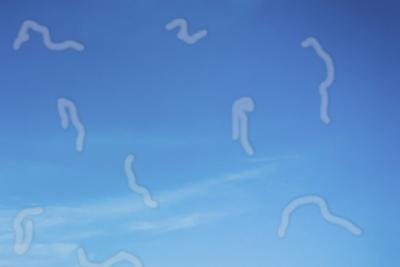
Eye floaters are small clumps of protein or gel particles that form within the vitreous, a gel-like substance that fills the space between your retina and lens. As light passes through your eye, these particles cast shadows on the retina, which you perceive as floaters. They often appear as dark specks, squiggly lines, or cobweb-like shapes that move when you shift your gaze.
Floaters commonly develop as a natural part of aging. As the vitreous shrinks and changes in consistency, small clumps or strands form, becoming more visible. While floaters are generally harmless, certain conditions can contribute to their development, including:
- Aging
- Nearsightedness (myopia)
- Eye trauma or injury
- Eye surgeries
- Inflammation or infection
- Retinal tears or detachment
How Eye Floaters Can Affect Your Vision
Floaters can obstruct your line of sight, especially in bright lighting or when looking at solid backgrounds like a computer screen or the sky. While they may not block your vision entirely, they can create distractions, making it challenging to focus on tasks. This can be particularly bothersome for those who rely heavily on their vision, such as artists, designers, or avid readers.
Persistent floaters may also lead to eye strain as your eyes struggle to focus around these visual obstructions. Eye strain can cause discomfort, headaches, and fatigue, reducing productivity and making recreational activities less enjoyable. Floaters can disrupt concentration and efficiency for individuals engaged in detailed visual tasks. Whether working on a computer, reading or focusing on intricate projects, floaters can distract your attention from your tasks, potentially affecting performance.
When to See an Ophthalmologist
Eye floaters are usually harmless and don’t require further attention. However, if floaters begin to interfere with your daily activities, it’s essential to consult an ophthalmologist for evaluation and potential treatment. Persistent or worsening floaters, especially if accompanied by light flashes or loss of peripheral vision, could indicate a more serious condition, such as a retinal tear or detachment.
Contact Dr. Scotty Gadlin Today
Are you concerned about eye floaters? Dr. Gadlin at Athens Eye Consultants in Athens, GA, can help you better understand how floaters affect your vision and recommend the best action. Call (706) 850-1771 to schedule your appointment today. Let us help you maintain a clear, comfortable vision.
- posted: Nov. 20, 2024
Understanding Eye Floaters and Their Impact on Your Vision
Most people experience eye floaters at some point—those tiny, shadowy shapes or specks that drift across your field of vision. While usually harmless, eye floaters can sometimes affect your vision and, in turn, your quality of life. For some, floaters are merely an occasional nuisance, but for others, they can become persistent and interfere with daily activities. Understanding what eye floaters are and how they impact your vision is essential. Dr. Scotty Gadlin at Athens Eye Consultants in Athens, GA, is here to explain eye floaters and how they might affect you.
What Are Eye Floaters?
Eye floaters are small clumps of protein or gel particles that form within the vitreous, a gel-like substance that fills the space between your retina and lens. As light passes through your eye, these particles cast shadows on the retina, which you perceive as floaters. They often appear as dark specks, squiggly lines, or cobweb-like shapes that move when you shift your gaze.
Floaters commonly develop as a natural part of aging. As the vitreous shrinks and changes in consistency, small clumps or strands form, becoming more visible. While floaters are generally harmless, certain conditions can contribute to their development, including:
- Aging
- Nearsightedness (myopia)
- Eye trauma or injury
- Eye surgeries
- Inflammation or infection
- Retinal tears or detachment
How Eye Floaters Can Affect Your Vision
Floaters can obstruct your line of sight, especially in bright lighting or when looking at solid backgrounds like a computer screen or the sky. While they may not block your vision entirely, they can create distractions, making it challenging to focus on tasks. This can be particularly bothersome for those who rely heavily on their vision, such as artists, designers, or avid readers.
Persistent floaters may also lead to eye strain as your eyes struggle to focus around these visual obstructions. Eye strain can cause discomfort, headaches, and fatigue, reducing productivity and making recreational activities less enjoyable. Floaters can disrupt concentration and efficiency for individuals engaged in detailed visual tasks. Whether working on a computer, reading or focusing on intricate projects, floaters can distract your attention from your tasks, potentially affecting performance.
When to See an Ophthalmologist
Eye floaters are usually harmless and don’t require further attention. However, if floaters begin to interfere with your daily activities, it’s essential to consult an ophthalmologist for evaluation and potential treatment. Persistent or worsening floaters, especially if accompanied by light flashes or loss of peripheral vision, could indicate a more serious condition, such as a retinal tear or detachment.
Contact Dr. Scotty Gadlin Today
Are you concerned about eye floaters? Dr. Gadlin at Athens Eye Consultants in Athens, GA, can help you better understand how floaters affect your vision and recommend the best action. Call (706) 850-1771 to schedule your appointment today. Let us help you maintain a clear, comfortable vision.
Athens Eye Consultants
700 Sunset Drive, Suite 503,
Athens, GA 30606
Contact Us
Office Hours
Monday
8:30 AM - 4:30 PM
Tuesday
8:30 AM - 4:30 PM
Wednesday
8:30 AM - 4:30 PM
Thursday
8:30 AM - 4:30 PM
Friday
8:30 AM - 12:00 PM
Saturday
Closed
Sunday
Closed